- Eye Health Issues, Other Conditions
What Are Red Eyes?
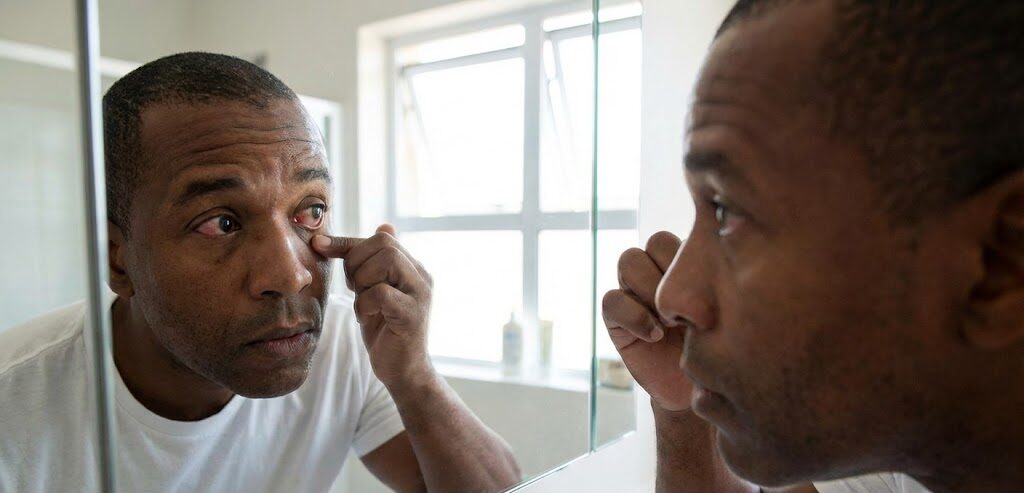
Red eyes occur when blood vessels on the surface of the eye become enlarged or irritated. This can result from a wide range of triggers—some mild, others more serious. Common causes include dryness, fatigue, allergies, contact lens irritation, or environmental exposure like smoke and dust.
While red eyes often resolve on their own, persistent or painful symptoms may signal an underlying condition that requires medical attention.
When Is It More Than Just Irritation?
Redness accompanied by discomfort, discharge, light sensitivity, or vision changes could indicate a more serious issue such as:
- • Conjunctivitis (pink eye)
- • Uveitis or scleritis
- • Corneal ulcers
- • Eye infections or injury
According to the American Academy of Ophthalmology, red eye symptoms that persist or worsen may indicate a more serious condition and should be evaluated promptly by an eye care professional.
What Causes Red Eyes?
Red eyes happen when the small blood vessels on the surface of the eye become enlarged or irritated. This response can be triggered by a variety of environmental, medical, or lifestyle factors. Some of the most common causes include:
Dry Eyes: When your eyes don’t produce enough tears or the tear film is unstable, the surface becomes irritated and inflamed.
Allergies: Pollen, dust, pet dander, and mold can trigger an allergic response that leads to redness, itchiness, and watering.
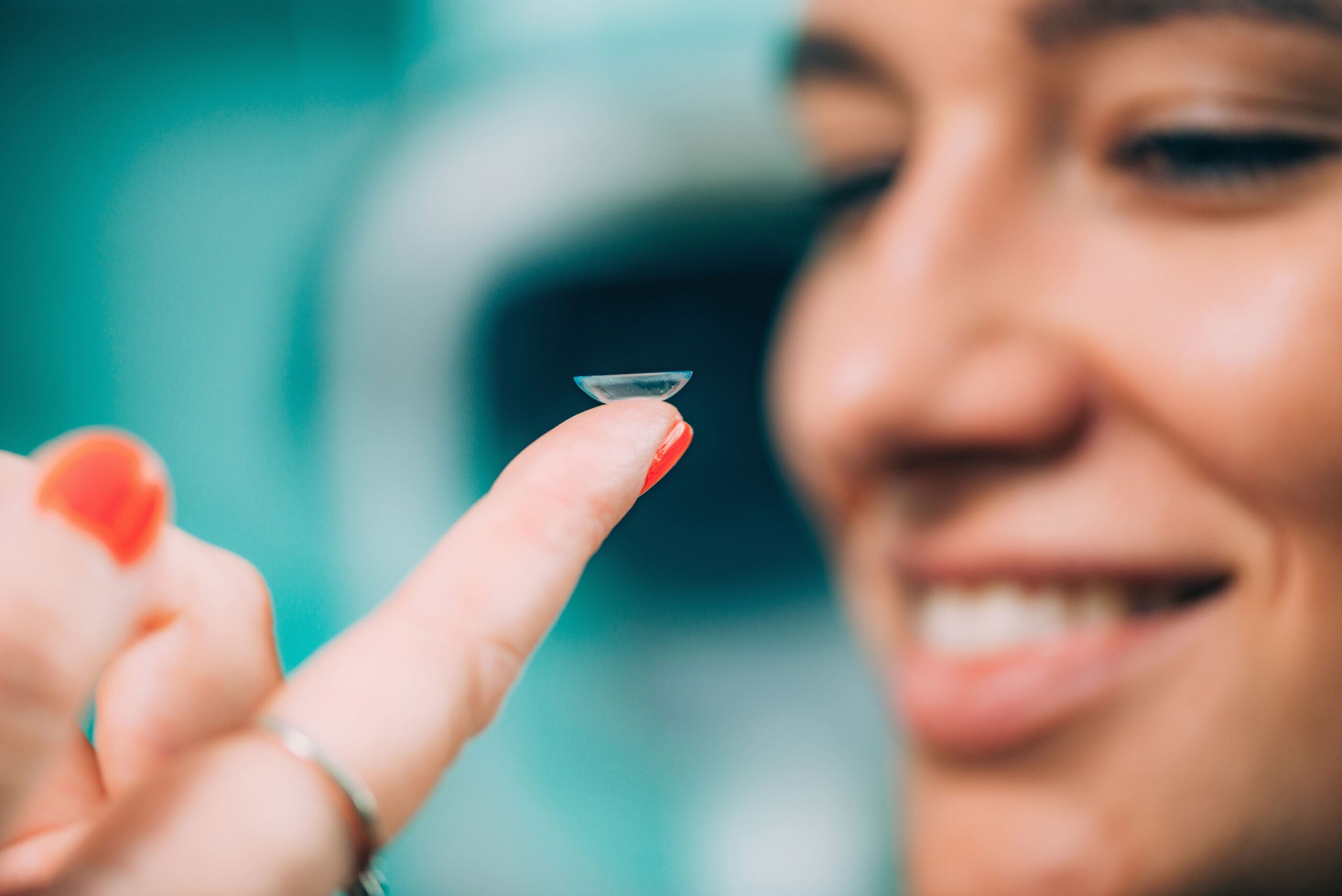
Contact Lens Irritation: Wearing lenses too long, improper cleaning, or sensitivity to solution can cause eye redness.
Infections: Viral or bacterial conjunctivitis (pink eye) and blepharitis are common causes of red, swollen, or crusty eyes.
Eye Fatigue or Strain: Prolonged screen time, reading, or insufficient sleep can dilate blood vessels in the eye.
Environmental Factors: Exposure to wind, smoke, chlorine, or air pollution can cause temporary inflammation.
Injury or Trauma: A scratch on the eye or foreign body can result in noticeable redness and discomfort.
If redness is accompanied by pain, vision changes, or discharge, it could indicate a more serious issue and should be evaluated promptly.
How Are Red Eyes Treated?
Treatment depends on the cause. Artificial tears can help with dryness, while antihistamine drops may relieve allergy-related irritation. Avoid rubbing your eyes, and take regular breaks from screens to reduce fatigue.
If you wear contact lenses, be sure to follow proper hygiene and storage practices. And if symptoms persist or are accompanied by pain or blurred vision, don’t wait.
When to Get Checked Out
If your red eye comes with pain, vision changes, or doesn’t improve after a few days, it’s time for an exam. At Value Optical, we’ll identify the cause and get you relief fast. Schedule a comprehensive eye exam to get an accurate diagnosis.