BLOG

Expert insights on eye health, lenses, and vision care—written to help you see better, longer.

When to See an Ophthalmologist: Signs You Need Specialized Eye Care

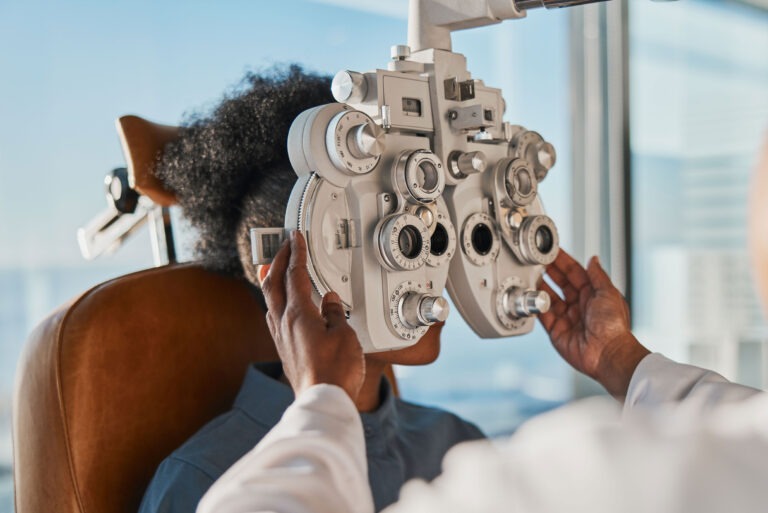
What Is an Ophthalmological Consultation? An ophthalmological consultation is an advanced eye health assessment provided by a medical doctor who specializes in diagnosing and managing complex eye conditions. While our optometrists handle routine exams and prescriptions, our in-house ophthalmologists’ step in when deeper medical insight or treatment planning is required. Available Across Trinidad At Value Optical, we offer in-house ophthalmological consultations at multiple branches throughout Trinidad. Whether you’re visiting our Port of Spain, San Juan, Chaguanas, or any other branch, you can be assured that a licensed ophthalmologist is available to assess your case if necessary. When Might You Be Referred to an Ophthalmologist? You won’t need to guess — your optometrist will guide you. During a comprehensive eye exam,
Read More »
contact lens eye exam

What to Expect During a Contact Lens Eye Exam

If you’ve ever wanted to switch from glasses to contacts, or improve how your lenses feel — a contact lens eye exam is your next step. What Is a Contact Lens Eye Exam? A contact lens eye exam is a specialized visit that goes beyond checking your prescription. It ensures your lenses are the right shape, size, and material for your eyes — and that they provide all-day comfort and clear vision. Unlike a standard exam, this appointment also looks at: Corneal curvature and surface Tear quality (for moisture) Eye health under contact lens use How your eyes respond to different lens types At Value Optical, we make the process clear, comfortable, and customized to you. Curious if you should get

Read More »
eye-exam-2

Why Comprehensive Eye Exams Are the Foundation of Vision Care

Seeing clearly is important — but seeing the whole picture is even more valuable. That’s where a comprehensive eye exam comes in. These exams not only ensure you’re seeing at your best but also allow your eye doctor to detect early signs of eye disease or other underlying health conditions. A yearly eye exam is one of the simplest and most effective ways to protect your long-term vision. What Is a Comprehensive Eye Exam? A comprehensive eye exam is a detailed evaluation of your vision and eye health. It goes far beyond just updating your glasses prescription. Your optometrist examines the front and back of your eyes, measures how well your eyes work together, evaluates eye pressure, and uses imaging

Read More »
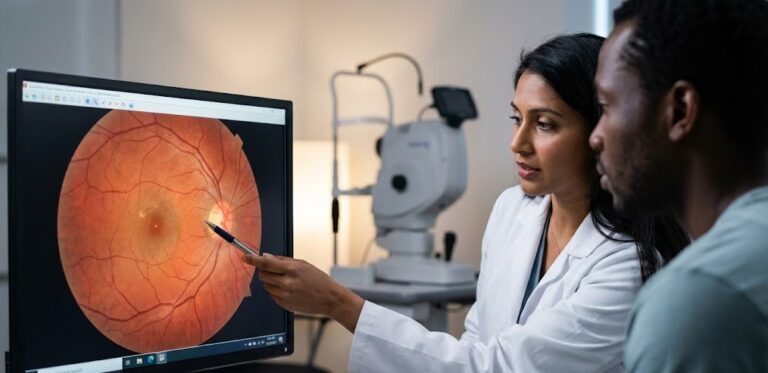
Optometrist looking at Fundus photography

Advanced Diagnostic Tests: VFT, Fundus Photography & More

Why Diagnostic Testing Matters Your vision is complex — and so are the conditions that can affect it.That’s why we use more than just standard eye charts or vision screens. At Value Optical, our advanced eye diagnostic tests help us look deeper, spot problems earlier, and tailor treatment for every patient. These tools are especially valuable for detecting conditions like: Glaucoma Diabetic retinopathy Macular degeneration Optic nerve issues Visual field loss Curious if you should get this done? Book An Appointment 3 Key Diagnostic Tools We Use 1.Visual Field Testing (VFT) Checks your side vision to detect hidden blind spots. While many eye diseases start at the edges of your vision, they often go unnoticed. VFT uses a special machine to check

Read More »

Transition Lenses That Adapt to Every Light

How Transition (Photochromic) Lenses Work You’ve probably seen them in action: clear lenses that darken under the sun and return to transparent indoors. This is the magic of photochromic lenses. These lenses are embedded with millions of tiny molecules that react to UV rays. When you step outdoors, these molecules expand and darken the lens surface, filtering out harmful light. Indoors, they shrink back, allowing full clarity. Some advanced versions even respond to visible light, making them useful for drivers behind the windshield. At Value Optical, our range of transition lenses use the latest light-sensitive lens technology to offer fast reaction times, improved durability, and stylish tints that don’t compromise clarity. Book a Transition-Lens Consultation What Makes Modern Transition Lenses

Read More »
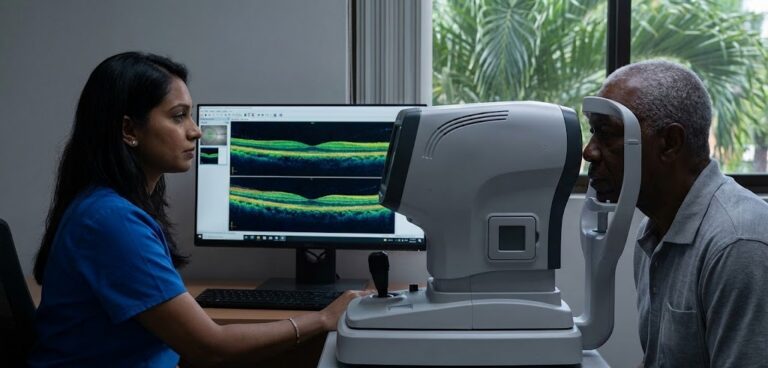
Patient undergoing an OCT eye exam

Understanding OCT Eye Tests: A Complete Guide for Protecting Your Vision

Why Your Eyes Deserve the Best Care Have you ever wondered if you need an OCT eye test? Maybe you’ve experienced slight blurriness, or you’re concerned because of a family history of eye conditions. Either way, learning how this powerful diagnostic tool works can be one of the best decisions you make for your vision. Your eyes are incredibly complex organs that work hard for you every single day. From the moment you wake up until you close them at night, they’re constantly processing information, helping you navigate the world, read to your children, and enjoy the beautiful sights around you. Yet many of us take our vision for granted until something goes wrong. The good news is that modern

Read More »
Woman having watery eyes

Watery Eyes: What’s Causing It & How to Stop the Tears

What Are Watery Eyes? Excessive tearing, also called epiphora, can be a frustrating condition that interferes with daily life. While tears are essential for eye lubrication and protection, too much tear production—or poor tear drainage—can lead to constantly wet eyes, blurred vision, and irritation. What You Might Notice • Excessive or constant tearing • Blurred vision when tears • Redness or irritation • Sticky discharge (if infection is involved) What Causes Watery Eyes? According to Verywell Health, watery eyes can have many causes: Dry eye syndrome (ironically, dryness can overstimulate tear production) Allergies or environmental irritants Blocked tear ducts Eyelid abnormalities (such as ectropion or entropion) Eye infections or inflammation Short-term exposure to wind, bright light, or smoke may also temporarily

Read More »
Woman with stye on her eyelid

Styes: What Causes That Painful Eyelid Bump & How to Treat It

What Is a Stye? A stye (also called a hordeolum) is a painful, red bump that forms near the edge of the eyelid. It often resembles a pimple or small boil and can be filled with pus. Styes usually develop when oil glands or hair follicles become blocked and infected, most commonly by Staphylococcus bacteria. Symptoms of a Stye • Swollen, tender bump near the base of your eyelashes • Redness and sensitivity in the surrounding area • Watery eyes or a gritty feeling • Occasional crusting or discharge What Causes a Stye? Poor eyelid hygiene, rubbing your eyes with dirty hands, or using expired eye makeup can introduce bacteria that trigger stye formation. Individuals with chronic blepharitis, rosacea, or

Read More »
Visual simulation of retinal detachment

Retinal Detachment: A Vision Emergency You Shouldn’t Ignore

What Is Retinal Detachment? Retinal detachment is a serious and urgent eye condition where the retina—the light-sensitive tissue at the back of the eye—pulls away from its normal position. Without immediate treatment, this separation can lead to permanent vision loss in the affected eye. Unlike other eye conditions, retinal detachment is a true emergency. It often requires urgent surgical intervention to restore or preserve vision. Warning Signs • Sudden increase in floaters • Flashes of light in peripheral vision • A shadow or curtain over part of your vision • Sudden blurry vision or vision loss What Can Cause a Retinal Detachment? The most common cause is a tear or break in the retina, which allows fluid to pass underneath

Read More »
Scroll to Top