- Eye Health Issues, Other Conditions
What Is Double Vision?
Double vision, also known as diplopia, occurs when you see two images of a single object—either side by side or one on top of the other. This visual disturbance can affect one or both eyes and may be temporary or persistent. While some causes are minor, such as fatigue or dry eyes, others may indicate a more serious underlying condition that requires prompt medical attention.
Because diplopia affects depth perception and clarity, it can interfere with driving, reading, and other daily tasks—making accurate diagnosis and timely care essential.
Symptoms of Double Vision
- • Seeing two images of a single object
- • Images may appear horizontally or vertically separated
- • Blurred or unstable vision
- • Eye strain, fatigue, or headaches
- • Difficulty with depth perception or balance
- • Symptoms may worsen when looking in specific directions
What Causes Double Vision?
Diplopia can result from a wide range of causes, depending on whether one or both eyes are involved. Monocular double vision—affecting one eye—is often due to dry eyes, astigmatism, or cataracts. Binocular double vision, which disappears when one eye is closed, is more concerning and may stem from misaligned eye muscles, nerve damage, thyroid eye disease, or even neurological disorders like multiple sclerosis or stroke. According to the American Academy of Ophthalmology, sudden-onset double vision always warrants urgent evaluation to rule out serious health concerns.
How Is Double Vision Treated?
Treatment depends on the cause:
Eye exercises or vision therapy (for muscle alignment issues)
Corrective lenses or prism glasses
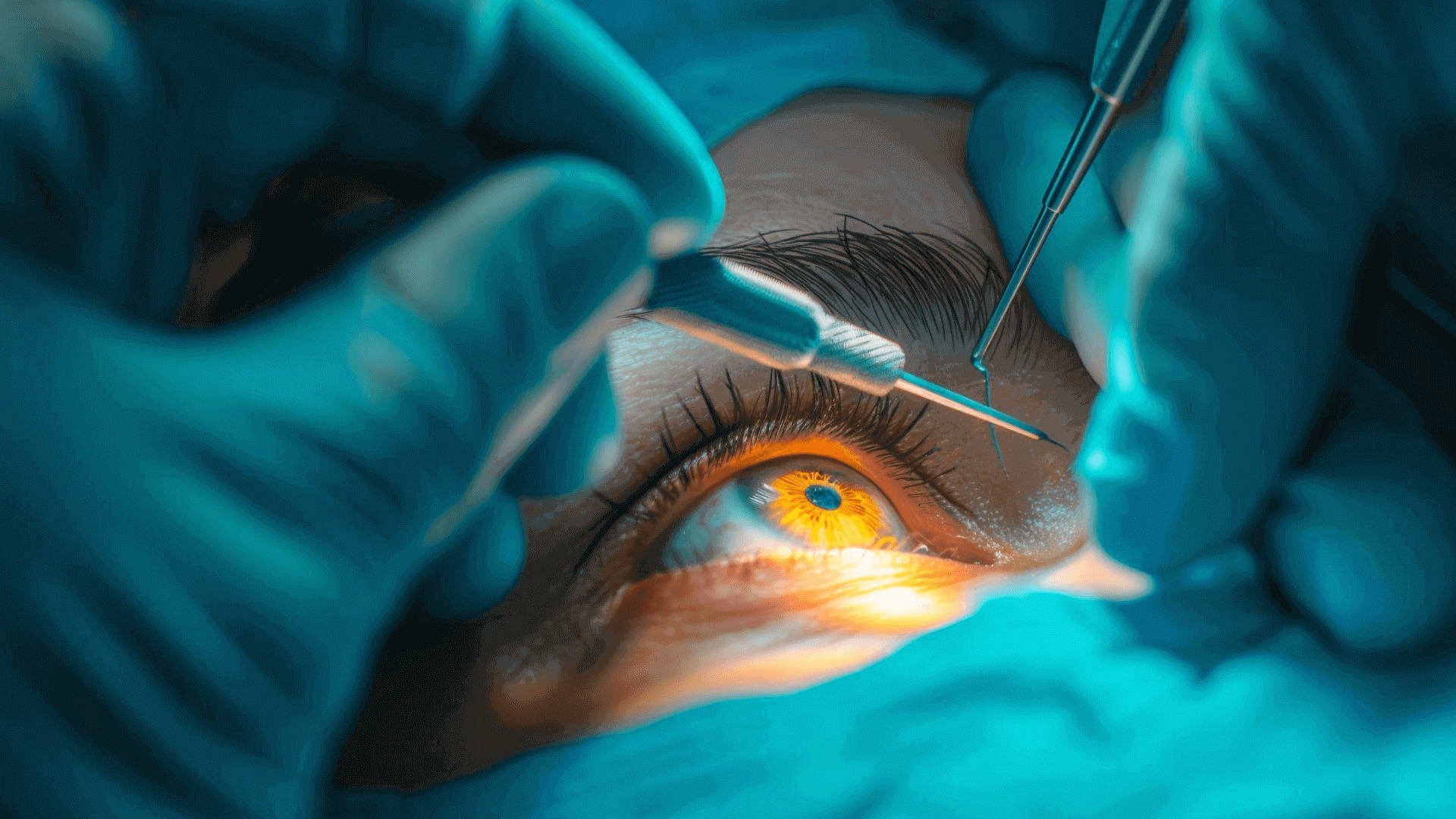
Surgical correction (in cases involving muscle or nerve damage)
Treating underlying conditions like diabetes or thyroid disease
Moisturizing eye drops (for dry eye-related monocular diplopia)
Neurological referral if the cause is linked to the brain or nerves
An accurate diagnosis is key.
Seeing Double? Time to See Us First.
Double vision is never something to ignore—especially if it appears suddenly. Book a comprehensive eye exam to determine the cause and get the right treatment.