- Eye Health Issues, Refractive Issues
What is Astigmatism?
Astigmatism is a common refractive error that causes blurred or distorted vision due to an irregular shape of the cornea or lens. Instead of being perfectly round, the eye’s surface is shaped more like a football, causing light to focus unevenly on the retina. This results in difficulty seeing both near and far objects clearly.
It can occur on its own or alongside other conditions like myopia (nearsightedness) or hyperopia (farsightedness). Thankfully, astigmatism is very treatable and doesn’t have to interfere with daily life when managed properly.
Symptoms of Astigmatism
- • Blurry or distorted vision at all distances
- • Eyestrain or discomfort, especially after reading
- • Frequent squinting to see clearly
- • Headaches, often from over-focusing
- • Difficulty seeing at night, especially while driving
- • Double vision in some cases
What Causes Astigmatism?
Astigmatism is usually present from birth and can change over time. It occurs when the cornea or lens is curved more steeply in one direction than another. While it often runs in families, it can also be caused or worsened by eye injuries, keratoconus, or even surgical complications.
According to the American Optometric Association, astigmatism is not a disease—but a variation in eye anatomy that affects how light is focused.
How Is Astigmatism Treated?
Treatment often involves:
Prescription eyeglasses with cylindrical lenses
Toric contact lenses designed for irregular corneas
Orthokeratology (Ortho-K) lenses worn overnight
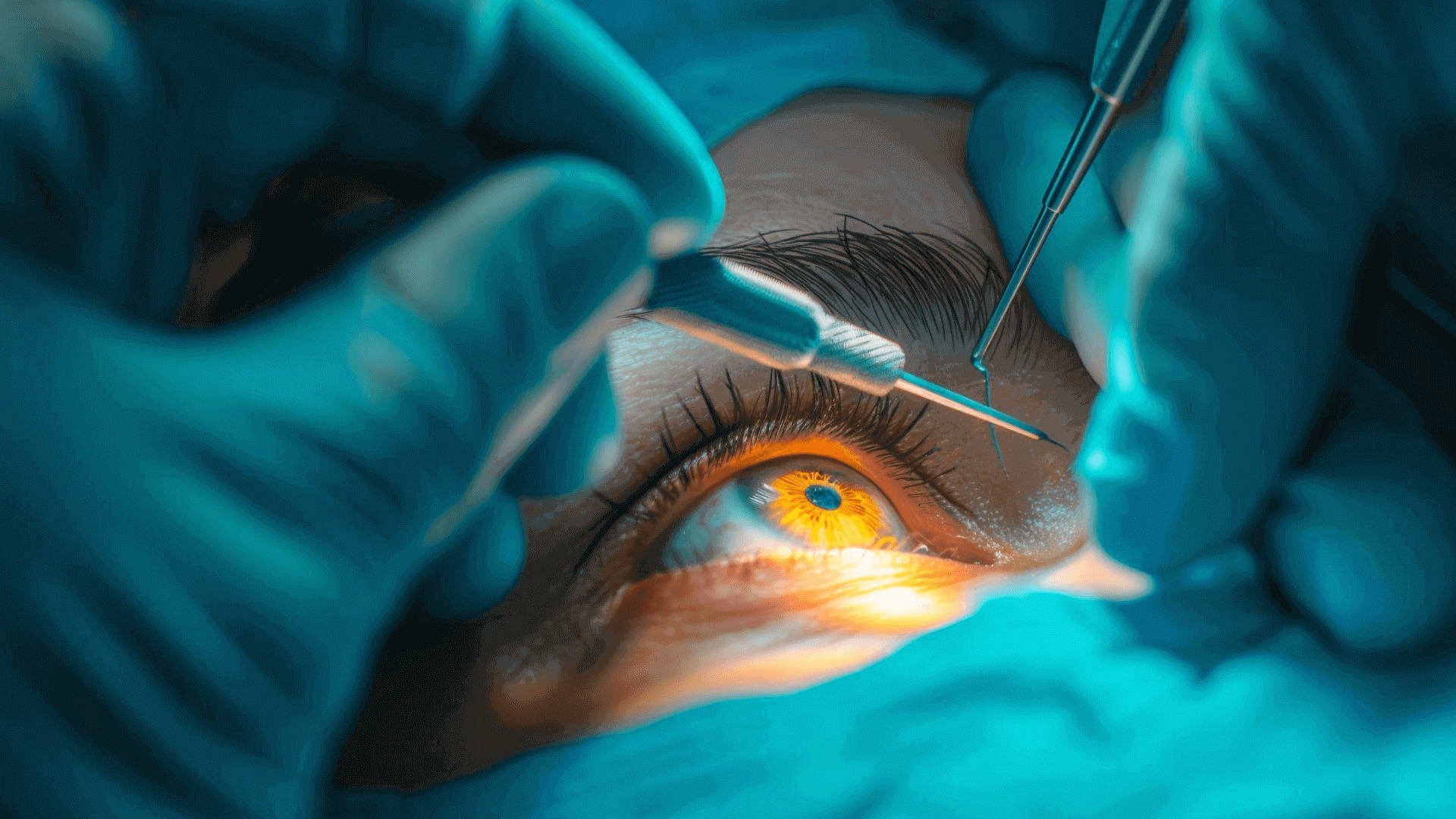
Refractive surgery like LASIK or PRK
Regular vision checks to monitor changes and update prescriptions
Seeing a Bit Off? You’re Not Alone.
Astigmatism is more common than you think—and it doesn’t mean your vision can’t be crystal clear. The fix is simple, the relief is real, and your eyes will thank you for it.