BLOG

Expert insights on eye health, lenses, and vision care—written to help you see better, longer.

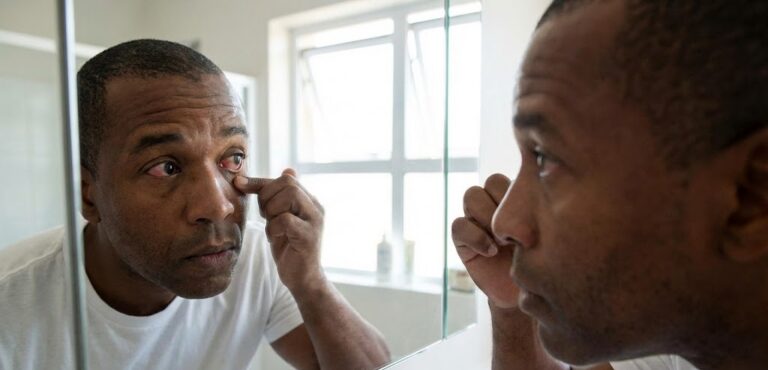
Man realizing his eyes are red

Red Eyes: Why They Happen & When to See an Optometrist

What Are Red Eyes? Red eyes occur when blood vessels on the surface of the eye become enlarged or irritated. This can result from a wide range of triggers—some mild, others more serious. Common causes include dryness, fatigue, allergies, contact lens irritation, or environmental exposure like smoke and dust. While red eyes often resolve on their own, persistent or painful symptoms may signal an underlying condition that requires medical attention. When Is It More Than Just Irritation? Redness accompanied by discomfort, discharge, light sensitivity, or vision changes could indicate a more serious issue such as: • Conjunctivitis (pink eye) • Uveitis or scleritis • Corneal ulcers • Eye infections or injury According to the American Academy of Ophthalmology, red eye


Read More »
Man suffering from Presbyopia

Presbyopia: Why You’re Holding Your Phone Further Away

What Is Presbyopia? Presbyopia is an age-related condition that affects your ability to focus on nearby objects. It typically begins to develop in your early to mid-40s and continues to progress with age. If you find yourself holding your phone or reading materials farther away to see clearly, presbyopia may be the reason. This condition occurs when the lens inside your eye becomes less flexible over time, making it harder for your eyes to adjust focus between near and far objects. How Do You Know You Have It? • Blurred vision at reading distance • Needing to hold reading material farther away • Eye strain or headaches when reading • Trouble seeing small print in dim lighting What Causes It?

Read More »
Woman experiencing an ocular migraine

Ocular Migraines: What They Are & How to Handle Them

What Are Ocular Migraines? Ocular migraines are temporary visual disturbances that can occur with or without a headache. Unlike traditional migraines, which often come with intense, throbbing head pain, ocular migraines primarily affect vision—usually in one eye. Many people experience flashing lights, zigzag lines, or temporary blind spots that last anywhere from a few minutes to about 30 minutes. These episodes can be unsettling, but they usually resolve on their own. According to the American Migraine Foundation, ocular migraines are typically harmless and don’t cause permanent damage. What Do Ocular Migraines Look Like? • Flashing or shimmering lights • Zigzag or kaleidoscope patterns • Blind spots or temporary vision loss • May or may not include a headache • Visual

Read More »
Man undergoing an exam for ocular hypertension

Ocular Hypertension: What High Eye Pressure Really Means

What Is Ocular Hypertension? Ocular hypertension refers to higher-than-normal pressure inside the eye — also known as intraocular pressure (IOP) — without any detectable damage to the optic nerve or loss of vision. While not a disease itself, it’s considered a major risk factor for developing glaucoma, one of the leading causes of permanent vision loss. Normal IOP typically ranges between 10- and 21-mm Hg. Values above this range warrant closer monitoring by an eye care professional. Are There Any Symptoms? Most people with ocular hypertension don’t experience symptoms. That’s why it’s often discovered only during a routine eye exam. Left unchecked, it can silently progress to glaucoma. What Causes High Eye Pressure? Elevated pressure can result from an imbalance

Read More »
Woman sneezing

Hay Fever & Your Eyes: How Allergies Affect Your Vision

What Is Hay Fever? When hay fever hits, your eyes often pay the price. Also known as allergic conjunctivitis, this condition occurs when your eyes react to allergens like pollen, dust mites, or pet dander. The result? Red, itchy, watery eyes that can make even a beautiful day feel unbearable. Unlike infectious pink eye, allergic reactions aren’t contagious—but they can seriously impact your comfort and visual clarity during allergy season. According to the American Academy of Ophthalmology, allergic conjunctivitis—also known as ocular allergy—is a very common condition that occurs when the eye reacts to substances like pollen, pet dander, mold, or dust. Although it causes red, itchy, watery, or swollen eyes, this form of pink eye is not contagious and

Read More »
A stressed Afro-Caribbean woman sitting at a desk with a laptop and coffee mug, rubbing her temple to relieve eye strain and eyelid twitching symptoms.

Eyelid Twitching: Why Your Eye Is Spasming & When to Worry

What Is Eyelid Twitching? Eyelid twitching, also called myokymia, refers to small, involuntary spasms in the muscles of the upper or lower eyelid. These twitches are usually harmless, short-lived, and go away on their own. They often occur without warning and may last a few seconds, minutes, or even recur throughout the day. While they’re common and typically benign, persistent or unusual twitching may sometimes indicate an underlying issue worth investigating. What Does It Feel Like? • Repeated, involuntary twitching of the upper or lower eyelid • Sporadic episodes lasting seconds to minutes • May occur off and on throughout the day What Causes Eyelid Twitching? Most eyelid twitching is triggered by everyday factors like fatigue, stress, or excessive caffeine

Read More »
Double vision

Double Vision (Diplopia): Causes, Symptoms & When to Act

What Is Double Vision? Double vision, also known as diplopia, occurs when you see two images of a single object—either side by side or one on top of the other. This visual disturbance can affect one or both eyes and may be temporary or persistent. While some causes are minor, such as fatigue or dry eyes, others may indicate a more serious underlying condition that requires prompt medical attention. Because diplopia affects depth perception and clarity, it can interfere with driving, reading, and other daily tasks—making accurate diagnosis and timely care essential. Symptoms of Double Vision • Seeing two images of a single object • Images may appear horizontally or vertically separated • Blurred or unstable vision • Eye strain,

Read More »

How Diabetes Affects Your Eyes: What You Should Watch For

How Does Diabetes Affect the Eyes? Diabetes can have a profound impact on your eye health, especially if blood sugar levels remain uncontrolled over time. People with both Type 1 and Type 2 diabetes are at increased risk for several vision-related complications. In fact, diabetes is one of the leading causes of vision loss in adults under 65. High blood sugar damages blood vessels throughout the body — including the delicate vessels in the retina. This damage can lead to a variety of diabetic eye conditions, many of which develop gradually and without early symptoms. Signs to Watch For • Blurry or fluctuating vision • Dark spots or floaters • Poor night vision • Sudden vision loss (in severe cases)

Read More »
Corneal-Ulcers

Corneal Ulcers: What You Need to Know About This Eye Emergency

What Are Corneal Ulcers? A corneal ulcer is an open sore on the cornea, the clear front surface of your eye. It is considered a serious eye emergency because, if left untreated, it can cause permanent vision damage or even loss. Ulcers often develop when the corneal surface is compromised—either by infection, trauma, or underlying eye conditions like dry eye or blepharitis. Since the cornea plays a vital role in focusing light, any disruption to its structure can significantly affect your ability to see clearly. Symptoms of a Corneal Ulcer • Severe eye pain • Redness and swelling • Blurred vision • Sensitivity to light • White or gray spot on the cornea Common Causes & Risk Factors According to

Read More »

Conjunctivitis (Pink Eye): Symptoms, Causes & Treatment

What Is Conjunctivitis? Conjunctivitis, commonly known as pink eye, is the inflammation of the conjunctiva—the clear tissue covering the white part of the eye and the inside of the eyelids. This condition makes the eye appear red or pink and can cause discomfort, tearing, discharge, or a gritty sensation. While often mild, conjunctivitis can be highly contagious, especially in school and workplace environments. Depending on the cause, conjunctivitis may resolve on its own or require medical treatment. Understanding the type you have is essential to prevent its spread and ensure proper care. Common Symptoms of Pink Eye • Red or pink discoloration in the white of the eye • Itchiness or irritation, especially with allergies • Tearing or watery eyes

Read More »
Scroll to Top