BLOG

Expert insights on eye health, lenses, and vision care—written to help you see better, longer.

Cloudy Vision: Causes, Symptoms & What You Should Do

What Is Cloudy Vision? Cloudy vision is when your eyesight appears hazy or blurred, as though you’re looking through fog or a dirty window. Unlike general blurriness, cloudy vision can affect contrast, clarity, and light sensitivity all at once. It may impact one or both eyes and can come on gradually or suddenly, depending on the cause. Because this symptom can signal both minor issues and more serious eye conditions, it’s important not to ignore it—especially if it occurs alongside other changes in your vision. How Does It Feel? • Hazy or dimmed central vision • Glare or halos around lights, especially at night • Difficulty seeing fine details • Colors appearing dull or faded • Light sensitivity or squinting


Read More »

Chalazion: What That Eyelid Bump Really Means

What Is a Chalazion? A chalazion is a slow-developing, painless lump or bump that appears on the upper or lower eyelid. It forms when an oil gland (called a meibomian gland) becomes blocked and inflamed, often after a stye has healed. Unlike a stye, a chalazion is typically not infected and does not cause sharp pain. Instead, it tends to grow gradually and may feel firm to the touch. While usually harmless, large chalazia can press against the eyeball, cause discomfort, or even temporarily blur vision. They can also become cosmetically concerning if they persist or grow large enough to be visible from a distance. Symptoms of Chalazion? • Painless lump or swelling on the eyelid • Mild tenderness or

Read More »

Myopia (Nearsightedness): Why Distance Vision Gets Blurry

What Is Myopia? Myopia, or nearsightedness, is a common vision condition where you can see close-up objects clearly, but distant objects appear blurry. This happens when the eye is too long or the cornea is too curved, causing light to focus in front of the retina instead of directly on it. Myopia often begins in childhood and tends to progress during school-age years when visual demands increase. Because this condition affects your ability to see things far away—like whiteboards, road signs, or people across the room—it can make daily life frustrating without proper correction. Symptoms of Myopia • Blurry vision when looking at far-away objects • Squinting to see clearly • Headaches from eye strain • Difficulty seeing the whiteboard

Read More »

Macular Degeneration: Protecting Your Central Vision

What Is Macular Degeneration? Macular degeneration is a progressive eye condition that affects the macula—the small central portion of the retina responsible for sharp, straight-ahead vision. It’s a leading cause of vision loss in people over 50, particularly in developed countries. There are two primary forms of macular degeneration: Dry (atrophic) – More common and slower progressing Wet (neovascular) – Less common but more aggressive Both forms can impair the ability to read, drive, recognize faces, and perform other detail-oriented tasks. Symptoms of Macular Degeneration • Blurred or distorted central vision • Difficulty reading or seeing fine details • A dark or empty spot in your visual center • Straight lines appearing wavy (a symptom of wet AMD) Early stages

Read More »

Understanding Glaucoma: The Silent Thief of Sight

What Is Glaucoma? Glaucoma refers to a group of eye diseases that damage the optic nerve, often due to elevated intraocular pressure. It’s one of the leading causes of irreversible blindness worldwide. Known as the “silent thief of sight,” glaucoma typically progresses without symptoms until significant vision loss has occurred—making early detection absolutely critical. The optic nerve plays a vital role in transmitting visual information from the eye to the brain, and once it’s damaged, lost vision cannot be restored. Warning Signs to Be Aware Of • Gradual loss of peripheral (side) vision • Tunnel vision in advanced stages • Eye pain, redness, or nausea (in acute cases) • Blurred vision or halos around lights Causes and Risk Factors Glaucoma

Read More »

Eye Floaters: What They Are & When to Get Checked

What Are Floaters? Eye floaters are tiny specks, strings, or cobweb-like shapes that drift across your vision—especially when you’re looking at a bright, plain background like a blue sky or a white wall. These floaters move as your eyes move and seem to dart away when you try to look at them directly. While they can be annoying, floaters are often harmless and a normal part of the aging process. But in some cases, they may signal something more serious, which is why it’s important to know when to get them checked. What Do Floaters Look Like? • Gray or black spots that drift across your field of vision • Stringy, cobweb-like shapes that move with your eyes • Specks

Read More »

Dry Eye Syndrome: Causes, Symptoms & Long-Term Relief

What Is Dry Eye Syndrome? Dry eye syndrome occurs when your eyes don’t produce enough tears, or when the tears you do produce are of poor quality. This imbalance leads to inflammation and irritation of the eye’s surface, often making your eyes feel gritty, itchy, or like there’s something stuck in them. It’s a common condition that affects people of all ages, but becomes more frequent with age, screen time, and environmental exposure. Although uncomfortable, dry eye syndrome can usually be managed with the right care—and it’s important to address it before it leads to long-term irritation or vision problems. Symptoms of Dry Eye Syndrome • Burning, stinging, or gritty sensation in the eyes • Redness and irritation • Blurred

Read More »

Digital Eye Strain: What It Is & How to Prevent It

What Is Digital Eye Strain? Digital eye strain, sometimes called computer vision syndrome, happens when your eyes become tired, sore, or blurry after extended screen time. This condition is increasingly common as people spend more hours on smartphones, tablets, and computers—at work, school, and home. The good news? Digital eye strain is usually temporary and preventable with a few healthy habits and visual adjustments. Symptoms of Digital Eye Strain • Eye fatigue or tired, burning eyes • Blurred or double vision, especially after long sessions • Headaches, often starting behind the eyes • Dry or irritated eyes from reduced blinking • Neck and shoulder tension from poor posture • Difficulty focusing or concentrating What Causes Digital Eye Strain? Digital eye strain

Read More »

Understanding Blepharitis: Causes, Symptoms & Relief

What Is Blepharitis? Blepharitis is a common eye condition that causes inflammation of the eyelid margins—where your eyelashes grow. This condition can affect people of all ages and is often chronic, meaning it can come and go over time. While it usually doesn’t threaten vision, it can be uncomfortable, frustrating, and sometimes difficult to manage without consistent care. Blepharitis is not contagious, but it can be linked to other eye conditions such as dry eye syndrome or recurrent styes. Symptoms of Blepharitis • Red, swollen eyelids • Crusty debris or flakes at the lash line • Itching or burning sensation in the eyes • Gritty or foreign body feeling • Watery or dry eyes • Increased sensitivity to light •

Read More »

Cataracts Explained: Causes, Symptoms & Treatment Options

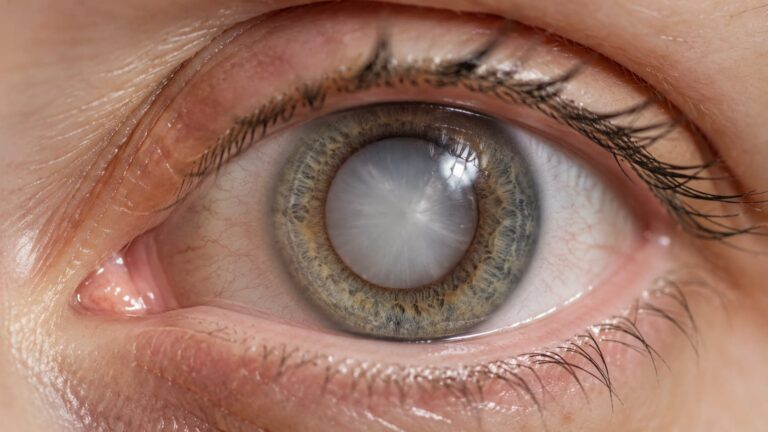
What Are Cataracts? Cataracts happen when the lens inside your eye becomes cloudy, causing your vision to appear blurry, dim, or hazy. Normally, the lens focuses light directly onto the retina to create a sharp image. However, when a cataract develops, the lens loses its clarity—making it feel like you’re seeing through a foggy window. This condition tends to progress slowly, which means you may not notice vision changes at first. Over time, though, the cloudiness can begin to interfere with daily tasks like reading, driving, or seeing clearly at night. Common Symptoms • Blurry or cloudy vision • Increased sensitivity to glare and bright lights • Difficulty seeing at night • Fading or yellowing of colors • Double vision

Read More »
Scroll to Top

What is the promotion about?
The My PAL PHOTO package is a basic pair of eyeglasses priced to satisfy first time progressive wearers (and early presbyopes) with limited budget. 

What is the offer?
A complete progressive pair of eyeglasses with photochromic lenses for $1095

What is the promotion period?
This is an entry level package that will be a permanent offer available instore.

What are the rules of the promotion?

To receive this offer, the patient must purchase:

    • Eight to Eighty / Zips Frames
    • Apex Classic 1.56 Photochromic Progressive Lenses
    • A current prescription or eye exam is required for dispensing.
    • The offer does not include the cost of the eye exam.
    • This package will remain in effect throughout the year.
    • It cannot be used together with any other sale offer.
    • It can be suspended during special promotional periods (notice will be given).
    • Patients must pay in full to receive the offer.
    • This offer cannot be combined with any other contact lens offer, discount, or sale item.

What is the turnaround time for this
package?
5 Working Days.
Patients requiring rush jobs will have to choose our regular non
package Apex lenses.

Can AR (Anti Reflective coating) be
added to this package?
Yes

Can Insurance (Assignment of Benefit) be applied to this offer?
Yes EXCEPT for GUARDIAN LIFE which does not qualify.
Regular insurance restrictions apply.
Please be guided by each provider’s restrictions / limitations regarding claims on prescription eyewear.

Is this offer limited to specific brands?
This offer is limited to the Eight to Eighty / Zips line of frames and IDEAL 1.56 Photochromic progressives using APEX Classic design only. 

Are there any warranties on the eyeglasses?
The frames carry a six month warranty against manufacturer’s defects.

What is the My PAL promotion about?
The My PAL package is a basic pair of eyeglasses priced to satisfy progressive wearers with limited budget. 

What is the period for this offer?
This is an entry level package that will be a permanent offer available instore.

What is the offer?
A complete progressive pair of eyeglasses for $895

What are the conditions for this offer?

  • To receive this offer, the patient must purchase:
    • Eight to Eighty / Zips Frames
    • Apex Classic Clear Poly Progressive Lenses (Opticians will guide on lens features)
  • A current prescription or eye exam is required for dispensing.
  • The offer does not include the cost of the eye exam.
  • This package will remain in effect throughout the year.
  • It cannot be used together with any other sale offer.
  • It can be suspended during special promotional periods (notice will be given).
  • Patients must pay in full to receive the offer.
  • This offer cannot be combined with any other contact lens offer, discount, or sale item.

What is the turnaround time for this package?
Patients will receive their eyeglasses in Five (5) Working Days.

Is the promotion available at all locations?
Yes, this promotion will run concurrently throughout all fifteen (15) locations nationwide.

Can I use my  insurance?
Yes EXCEPT for GUARDIAN LIFE which does not qualify. Regular insurance restrictions apply.
Please be guided by each provider’s restrictions / limitations regarding claims on prescription eyewear.

Are there any warranties on the eyeglasses? 
The frames carry a six month warranty against manufacturer’s defects.