- Eye Health Issues, Other Conditions
What Are Floaters?
Eye floaters are tiny specks, strings, or cobweb-like shapes that drift across your vision—especially when you’re looking at a bright, plain background like a blue sky or a white wall. These floaters move as your eyes move and seem to dart away when you try to look at them directly.
While they can be annoying, floaters are often harmless and a normal part of the aging process. But in some cases, they may signal something more serious, which is why it’s important to know when to get them checked.
What Do Floaters Look Like?
- • Gray or black spots that drift across your field of vision
- • Stringy, cobweb-like shapes that move with your eyes
- • Specks that dart away when you try to focus on them
- • Increased visibility against bright or plain backgrounds
- • Sudden increase in number or size of floaters
- • Sometimes paired with flashes of light (a potential warning sign)
What Causes Floaters in the Eye?
Eye floaters typically develop as a result of age-related changes in the vitreous, the gel-like substance inside your eye. As we age, the vitreous begins to shrink and liquefy, causing microscopic fibers to clump together and cast shadows on the retina. These shadows are what you perceive as floaters.
However, a sudden surge in floaters, especially if accompanied by flashes of light or a curtain-like shadow, could be a sign of a retinal tear or detachment—a vision-threatening emergency. According to the American Academy of Ophthalmology, any sudden change in your floater pattern should be evaluated right away.
Should You Be Concerned About Floaters?
In most cases, eye floaters are harmless and don’t require treatment. However, a sudden increase in floaters—especially when accompanied by flashes of light or shadowed peripheral vision—could signal a retinal tear or detachment, which is a vision-threatening emergency that requires immediate care.
When floaters begin to interfere with daily vision or increase suddenly, it’s important to monitor them closely and consult an eye care professional. According to the American Academy of Ophthalmology, changes in floater patterns should never be ignored.
Treatment Options for Eye Floaters
No treatment is needed in most cases
Monitor changes and report anything sudden or unusual
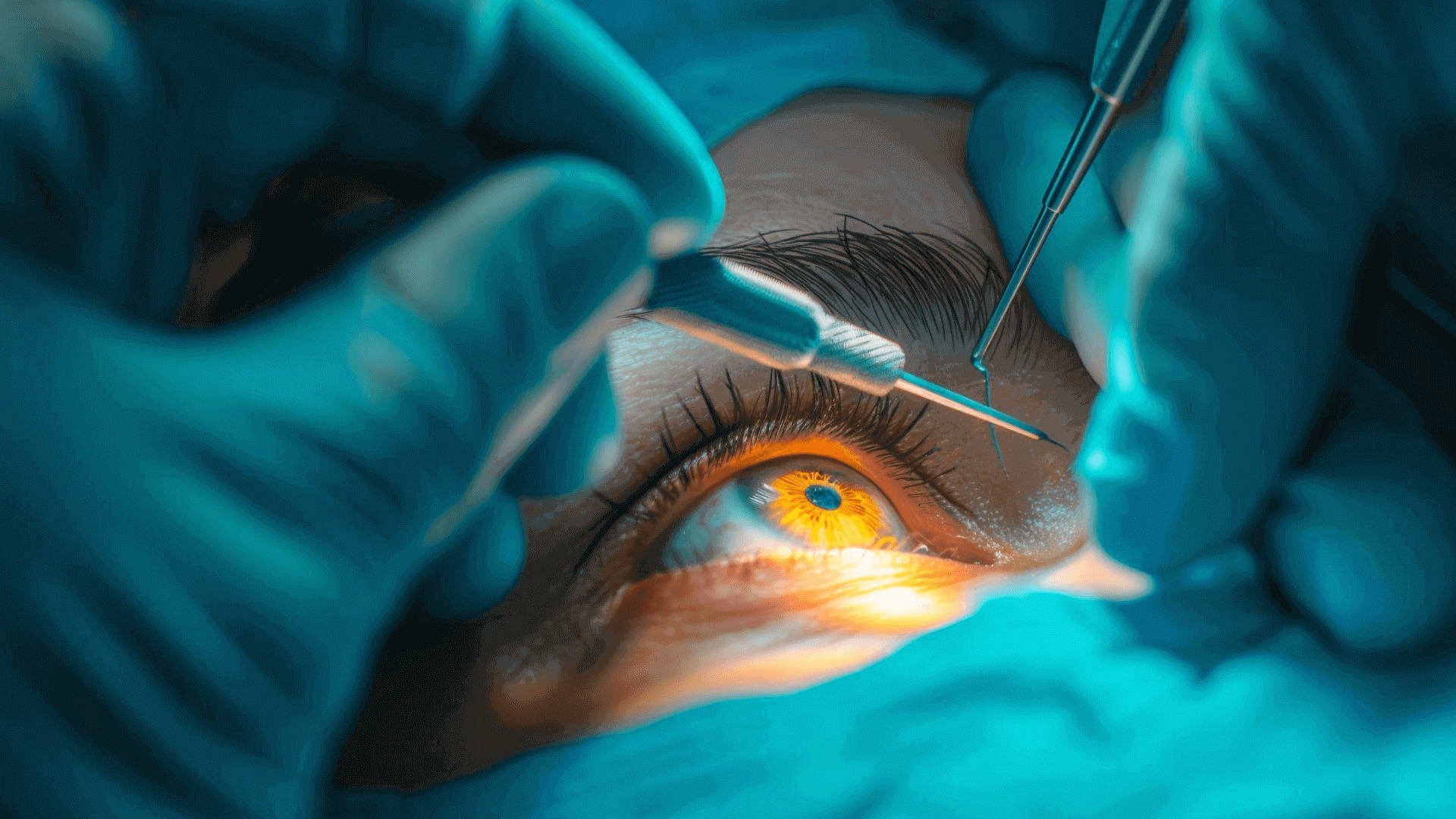
Vitrectomy surgery may be recommended in rare, severe cases
Laser therapy could help in some situations
Routine checkups are essential to rule out retinal issues
Noticing Squiggly Shadows?
Don’t let your vision play tricks on you. If your floaters are getting bolder or bringing friends, it might be time to give your eyes a closer look. The sooner you check, the sooner you know.