- Eye Diseases, Eye Health Issues
What Is Glaucoma?
Glaucoma refers to a group of eye diseases that damage the optic nerve, often due to elevated intraocular pressure. It’s one of the leading causes of irreversible blindness worldwide. Known as the “silent thief of sight,” glaucoma typically progresses without symptoms until significant vision loss has occurred—making early detection absolutely critical.
The optic nerve plays a vital role in transmitting visual information from the eye to the brain, and once it’s damaged, lost vision cannot be restored.
Warning Signs to Be Aware Of
- • Gradual loss of peripheral (side) vision
- • Tunnel vision in advanced stages
- • Eye pain, redness, or nausea (in acute cases)
- • Blurred vision or halos around lights
Causes and Risk Factors
Glaucoma typically develops when fluid inside the eye—called aqueous humor—doesn’t drain properly, leading to increased intraocular pressure. Over time, this pressure can damage the optic nerve, which is responsible for sending visual signals to the brain. While elevated pressure is the most common cause, not all cases involve high pressure, which is why early diagnosis is essential.
According to the American Academy of Ophthalmology, several factors increase your risk of developing glaucoma. These include being over the age of 60, having a family history of the condition, or identifying as African, Asian, or Hispanic. Additional risk factors include thin corneas, a history of eye trauma, long-term steroid use, and systemic conditions like diabetes or hypertension. These factors make regular eye screenings especially important—even if no symptoms are present.
How Is It Treated?
Early diagnosis is key. Tonometry (eye pressure measurement), optic nerve imaging, and visual field testing are common diagnostic tools. Treatment options include:
Prescription eye drops to lower pressure
Laser therapy to improve fluid drainage
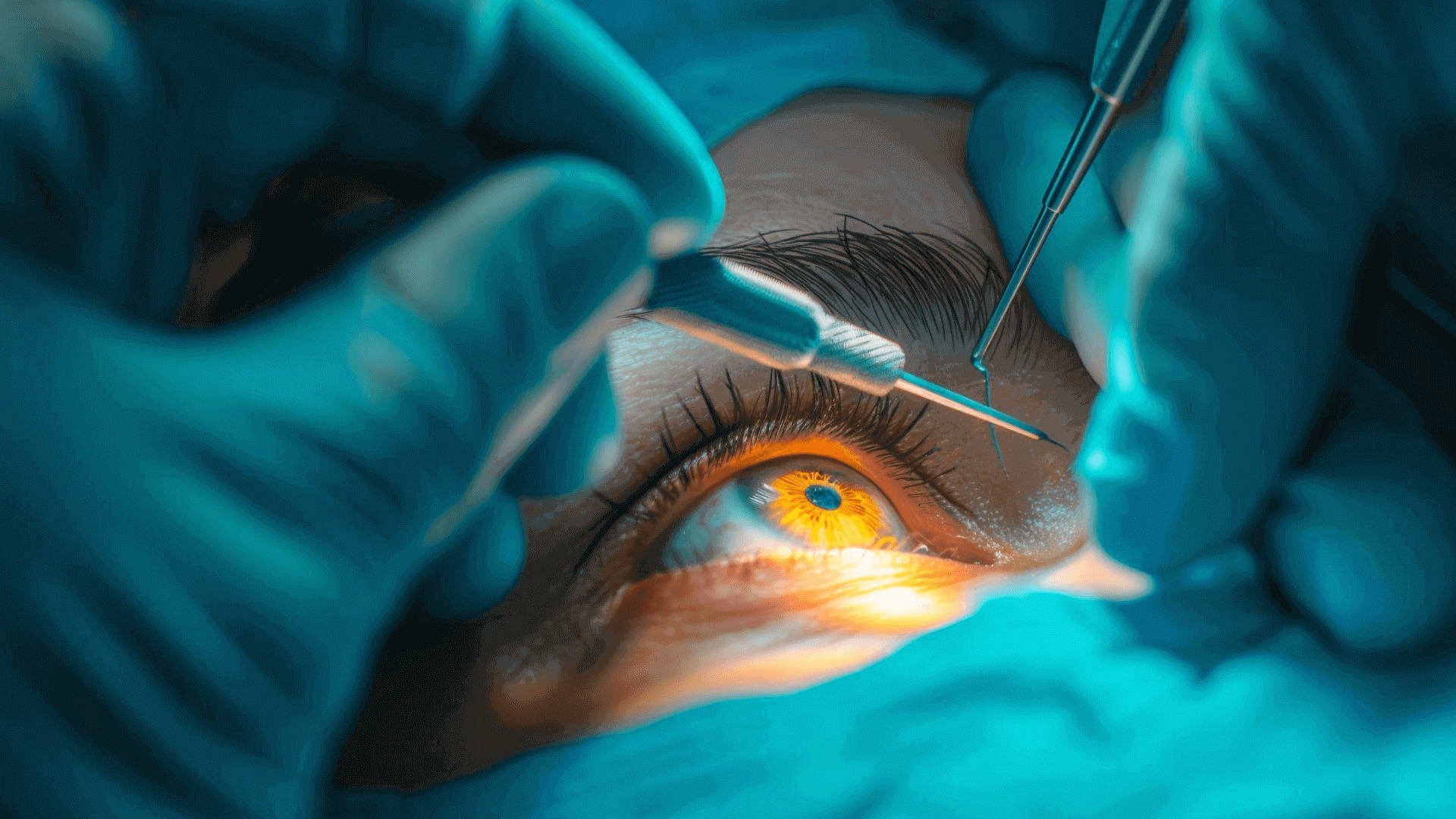
Surgical procedures for severe cases
While glaucoma can’t be cured, early and consistent treatment can preserve your remaining vision and prevent further damage.
Don’t Let Glaucoma Sneak Up on You
Glaucoma doesn’t knock—it just quietly steals your sight. So why wait? Catch it early, keep your vision sharp, and stay one step ahead of the silent thief.