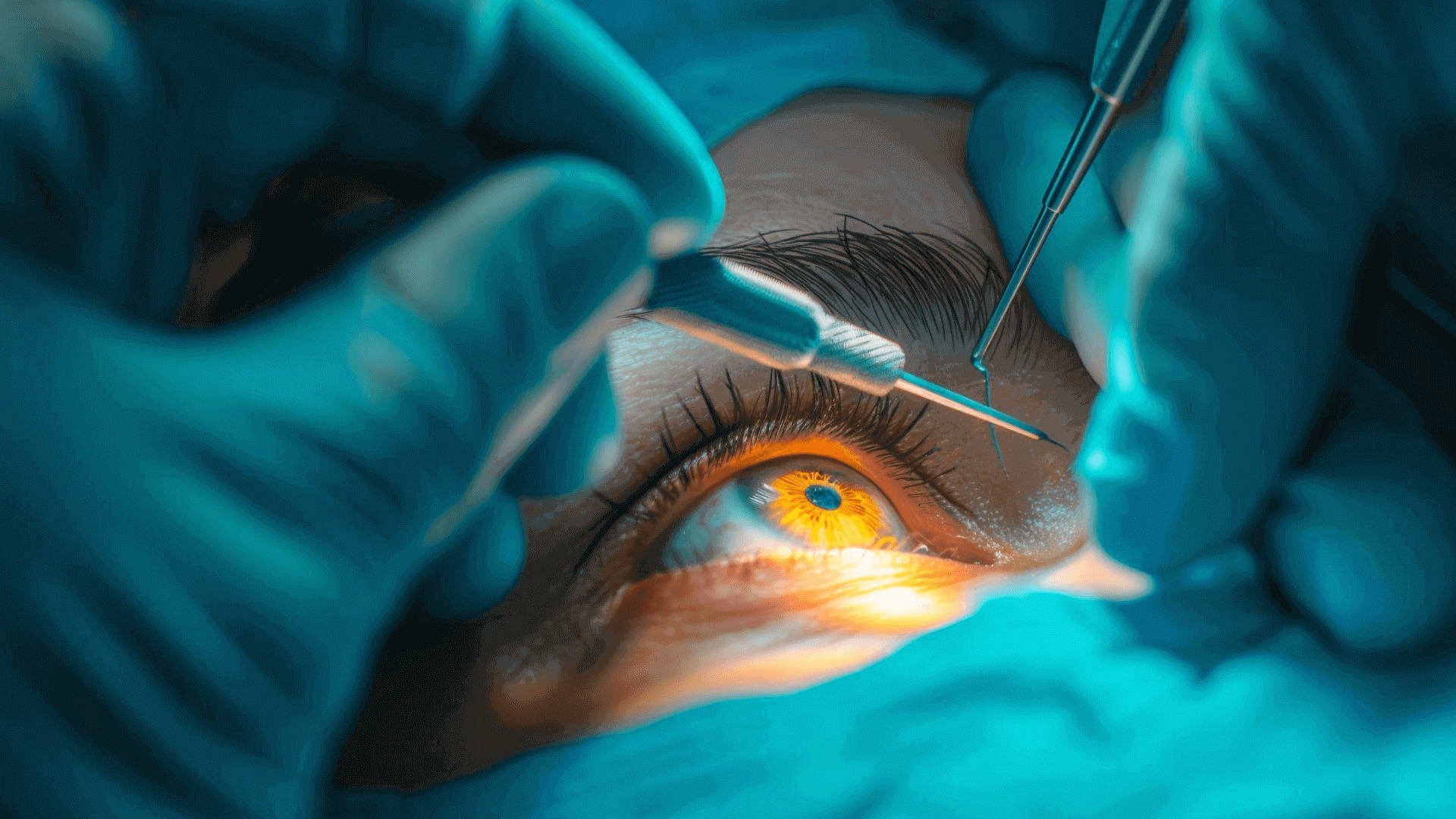
- Age Related, Eye Health Issues
What Is Macular Degeneration?
Macular degeneration is a progressive eye condition that affects the macula—the small central portion of the retina responsible for sharp, straight-ahead vision. It’s a leading cause of vision loss in people over 50, particularly in developed countries.
There are two primary forms of macular degeneration:
Dry (atrophic) – More common and slower progressing
Wet (neovascular) – Less common but more aggressive
Both forms can impair the ability to read, drive, recognize faces, and perform other detail-oriented tasks.
Symptoms of Macular Degeneration
- • Blurred or distorted central vision
- • Difficulty reading or seeing fine details
- • A dark or empty spot in your visual center
- • Straight lines appearing wavy (a symptom of wet AMD)
Early stages may show no obvious symptoms, which is why routine eye exams are critical for early detection and prevention.
What Causes Macular Degeneration?
According to the American Optometric Association, several risk factors contribute to the development of macular degeneration. These include aging, a family history of the condition, smoking, high blood pressure or cardiovascular disease, poor diet with low antioxidant intake, and excessive exposure to ultraviolet (UV) light. While this condition does not lead to complete blindness, it can significantly affect one’s quality of life by impairing sharp, central vision—making everyday tasks like reading, driving, or recognizing faces more difficult.
How Is It Treated?
While there’s no cure, early detection and lifestyle changes can slow the disease. Your optometrist may recommend:
Special vitamins and supplements (AREDS2 formula)
Injections for wet AMD
Laser therapy (in some cases)
Diet and lifestyle changes (leafy greens, stop smoking)
Early Detection Saves Central Vision —Book Your Exam Today
If you’re over 40 or have a family history of retinal disease, book a comprehensive eye exam.