- Eye Health Issues, Refractive Issues
What Is Myopia?
Myopia, or nearsightedness, is a common vision condition where you can see close-up objects clearly, but distant objects appear blurry. This happens when the eye is too long or the cornea is too curved, causing light to focus in front of the retina instead of directly on it. Myopia often begins in childhood and tends to progress during school-age years when visual demands increase.
Because this condition affects your ability to see things far away—like whiteboards, road signs, or people across the room—it can make daily life frustrating without proper correction.
Symptoms of Myopia
- • Blurry vision when looking at far-away objects
- • Squinting to see clearly
- • Headaches from eye strain
- • Difficulty seeing the whiteboard or signs
What Causes Nearsightedness?
Myopia typically develops when the eyeball grows too long from front to back or when the cornea has too much curvature. These changes cause incoming light to focus in front of the retina instead of on it. Genetics play a big role—children with one or both nearsighted parents are more likely to develop the condition. Lifestyle factors also contribute limited outdoor time, excessive screen use, and long hours of near work (like reading or studying) can increase the risk of developing myopia. According to the American Optometric Association, early detection and management are key to slowing progression in children and teens.
How Is Myopia Corrected or Controlled?
Glasses and contact lenses are the most common solutions, but newer treatments can help slow progression, especially in children. These include:
Prescription glasses for clear distance vision
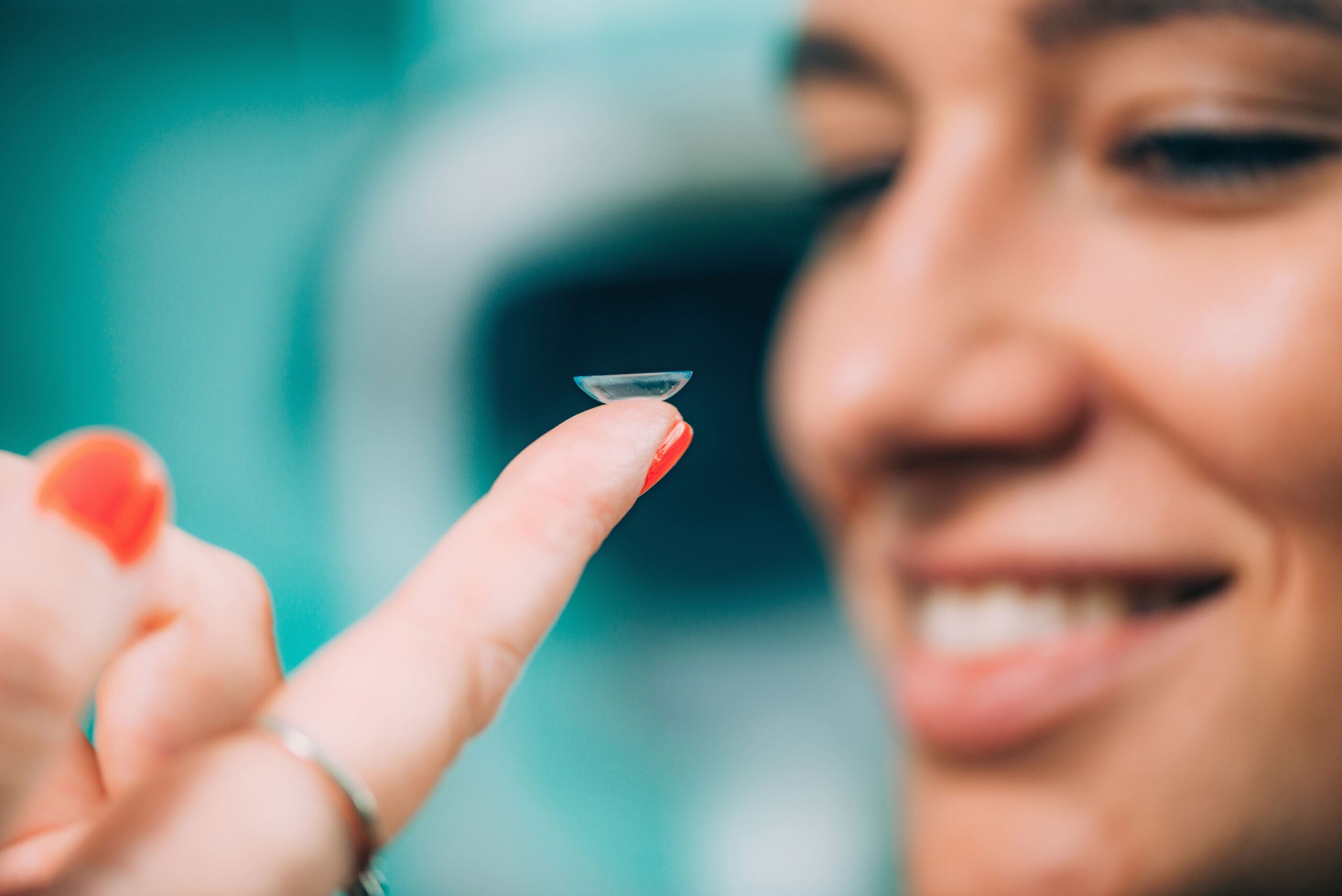
Contact lenses, including daily or extended-wear types
Orthokeratology (Ortho-K) lenses to reshape the cornea overnight
Myopia control options like low-dose atropine drops or soft multifocal lenses
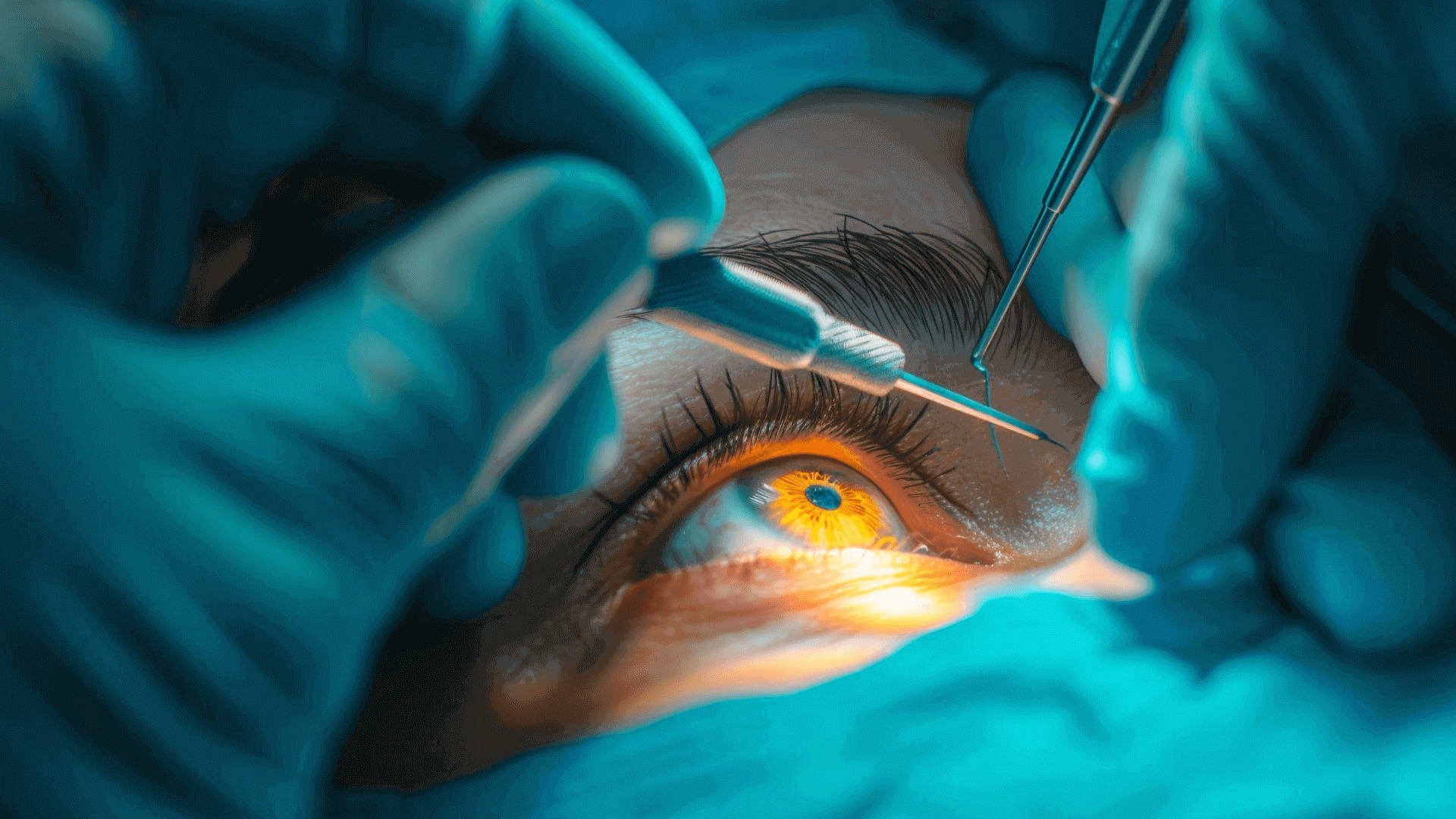
Refractive surgery (e.g., LASIK) for eligible adults
Outdoor activity to reduce risk and slow progression in children
Your optometrist will recommend the best approach based on age, eye health, and severity of vision loss. Untreated myopia can also lead to academic or behavioral issues in children due to poor visual clarity.
Worried About Blurry Vision? We Can Help.
Seeing clearly shouldn’t be a guessing game. If distant vision is a daily struggle, it’s time to take a closer look—literally. Clear vision is within reach, and there are more solutions than ever to help you get there.